TransitionFiles.com

Search results for “CHEMPARK”

× Back to overview

Strong clusters, shared future – my takeaways from the European Industry & Energy Summit 2026 in Maastricht.

I had the honour of taking part in the European Industry & Energy Summit 2026 in Maastricht. These were valuable days with great people and important topics.

The focus was on the competitiveness of Europe as a chemical location, and especially on the strengths and challenges of the chemical clusters in Rhine-Ruhr and Benelux. As a representative of CHEMPARK site Dormagen, CURRENTA GRUPPE & Chemion Logistik GmbH, I was able to bring in the Rhine-Ruhr perspective and have intensive discussions with colleagues from the Benelux region.

One thing became very clear: it all comes down to collaboration between Europe's strong chemical clusters. We are all in the middle of a transformation. We need to become more independent of global raw material chains and think consistently in circular terms.

At the same time, we must not lose sight of the strength of our integrated sites, our locations and our clusters. Pipelines, waterways, rail links and motorways connect our networks closely and position us strongly on a global scale.

Yes, we compete with each other, also within Europe. But every investment in modern, circular processes at our sites is a win for Europe in global competition. That is why we should recognise our shared strength, exchange ideas and move forward together.

For me personally, these days were very rewarding. I made many new connections and was able to share the perspective of the Rhine-Ruhr chemical industry. This will drive many new approaches, and I look forward to working together with you.

A special highlight at the end: as a member of the jury, I had the pleasure of helping to present the BLINQS Award. This year's winner is BioBTX from Groningen. With its catalytic pyrolysis technology, the team led by co-founder and co-CEO Ton Vries turns plastic waste into renewable aromatics such as benzene, toluene and xylene, which are key building blocks for our industry. This is exactly the kind of circular innovation our clusters need. Congratulations to Ton Vries and the entire BioBTX team on this well-deserved award.

And warm congratulations to Chemelot on its 100th anniversary, and thank you for hosting this summit.

Wim Raaijen, thank you very much for the invitation and for the outstanding organisation. It was a great summit. I'd be happy to join again, and you are all warmly invited to visit us at CHEMPARK.

#Chemistry #ChemicalIndustry #CircularEconomy #Transformation #CHEMPARK #RhineRuhr #Benelux #Europe #Competitiveness #EnergyTransition #Logistics #Chemionreloaded

0 comments
Like Comment

Low water just won't let go of us.

It has been with us at the CHEMPARK sites in Leverkusen, Dormagen and Krefeld-Uerdingen since July – and in these very days, water levels have once again dropped to their lowest marks.

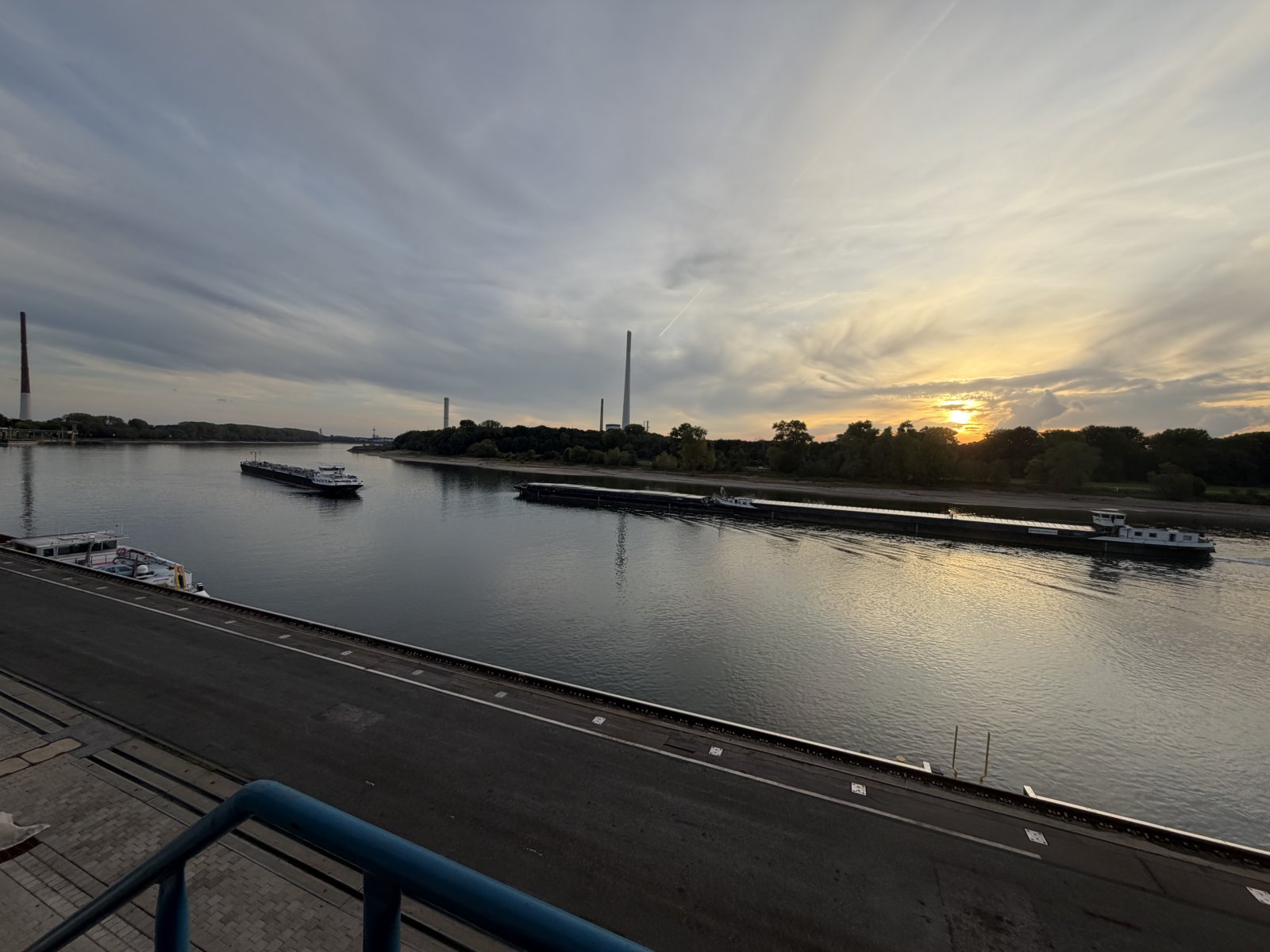
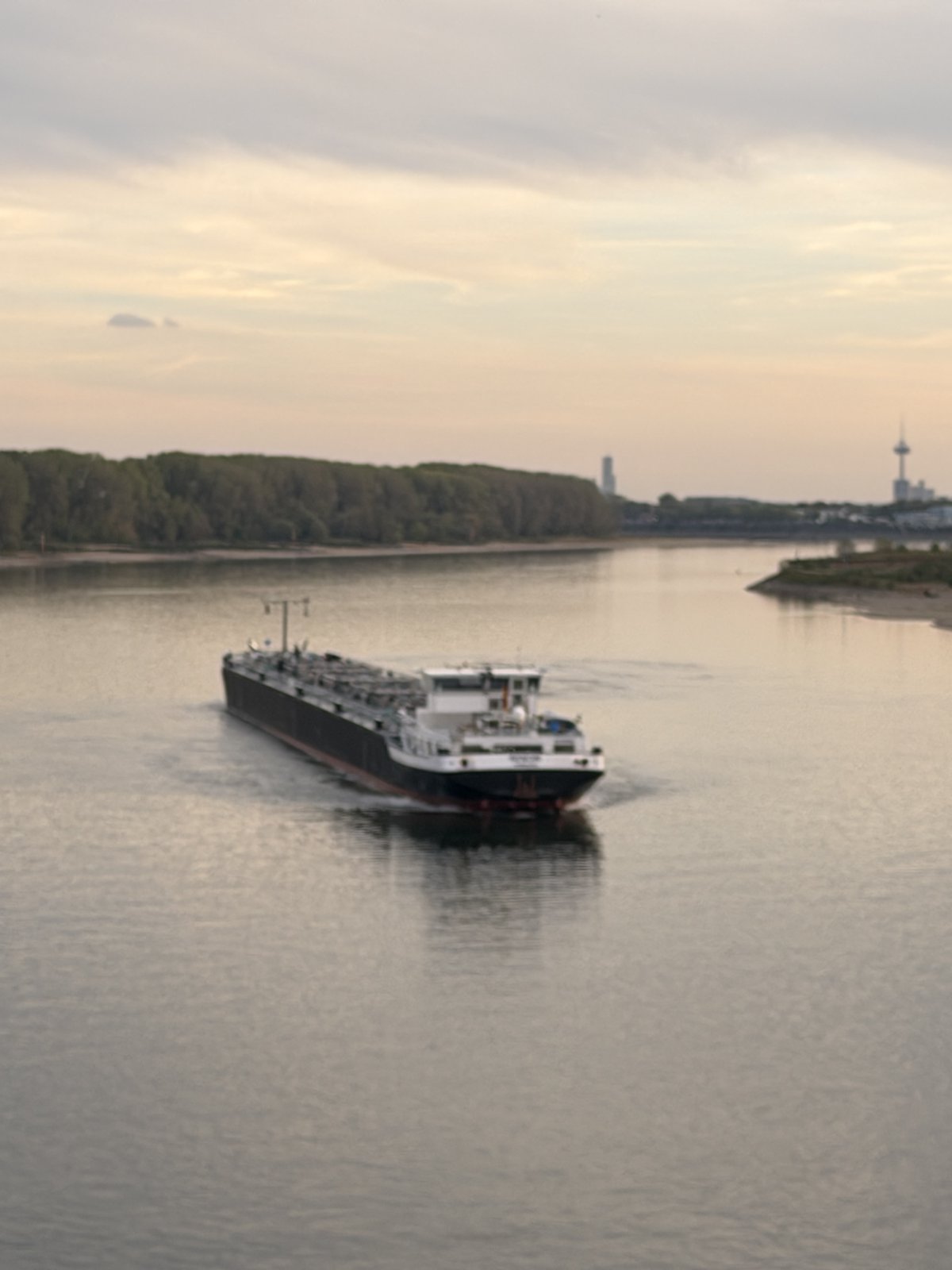
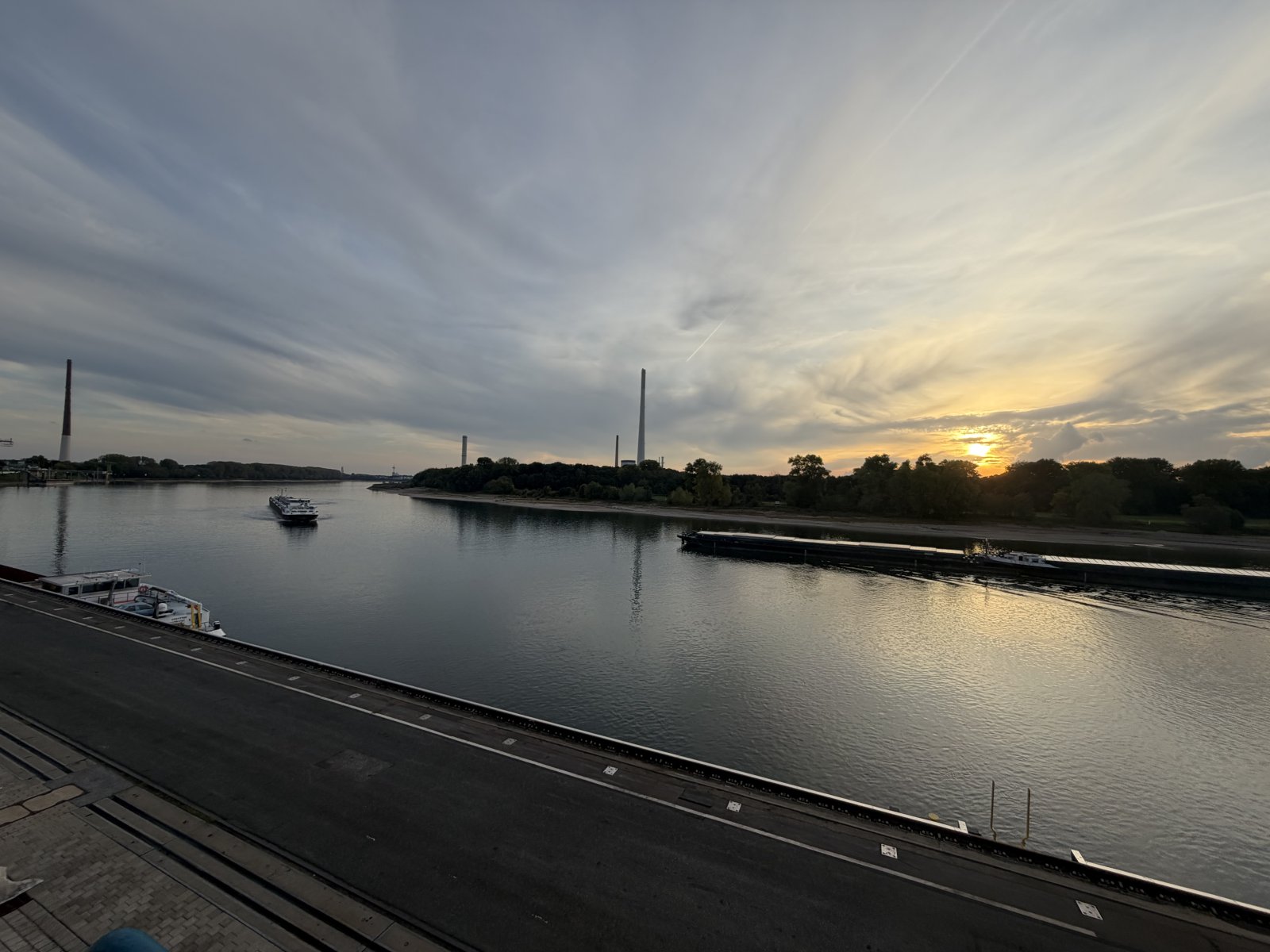
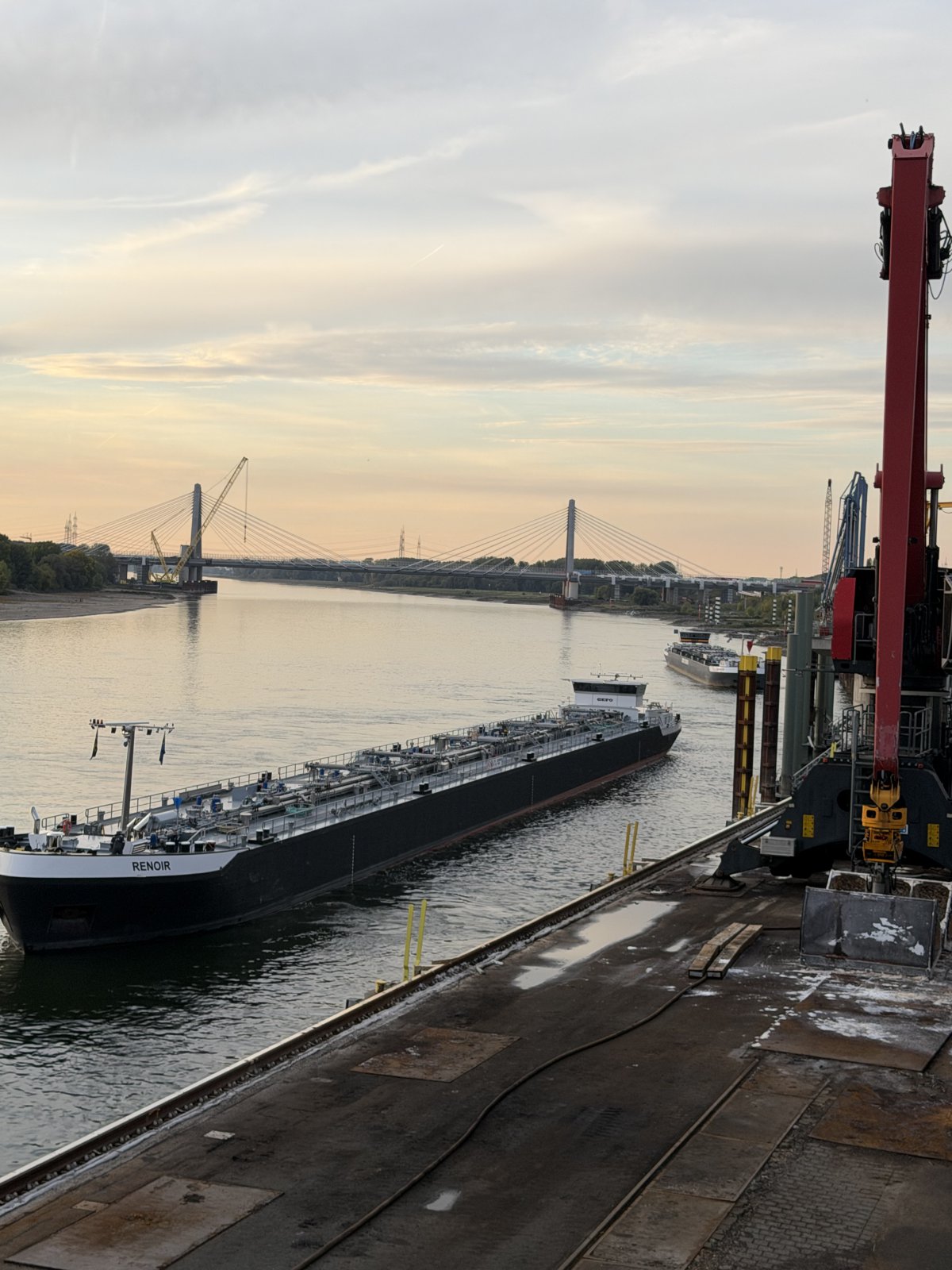
The photos from our Rhine terminals show what that means. What to look for:

On the ship: The tankers sit extremely high in the water, with the dark hull almost fully exposed – fully loaded, the deck would be just above the waterline. Only vessels with a shallow draught are still sailing, and each one carries only a fraction of its cargo.
At the quay: Quay wall and mooring dolphins stand several metres clear, the fenders hang above the water, the ships lie far below the quay edge. Our quays are built for the full range of water levels up to flood stage – right now, that means a steep way down. Unloading, boarding and leaving the ships call for extra concentration and care.
On the river: The gravel banks opposite lie dry across their full width, and the Rhine is visibly narrower. The ships keep strictly to the navigation channel – outside it, there simply isn't enough water.

For months, we have been working with our customers to shift many supply routes to rail and truck in order to keep production running. That is working well. But it is also a heavy burden – on our processes and, above all, on the colleagues who have to stay focused around the clock.

In my 25 years in the chemical park environment, I have never seen a low-water period this severe and this long. We had serious low water in 2018 as well – but far more concentrated and much shorter.

We have to prepare for this. Inland shipping remains a key mode of transport for the reliable supply of raw materials to our highly integrated production sites. At the same time, we have to learn to deal with the consequences of climate change – the pressure on our supply chain solutions and the demands on their flexibility will grow. We are preparing for that while keeping production running.

And one more thing: Competitiveness in Germany as an industrial location starts with infrastructure. Waterways, locks, bridges, rail and roads are the structural advantages our industry was built on. If we want to win them back, we have to start taking proper care of them again.

My thanks go to all colleagues who have been working in shifts at our terminals with sustained effort since July. You have my utmost respect. The strain is also clearly visible at our rail yards and truck terminals in CHEMPARK. Everyone is working with focus and has the situation under control – these are professionals at work.

Let's keep working together with focus and see this situation through professionally. Thank you all – Glückauf!

#CHEMPARK #Chemion #Currenta #LowWater #Rhine #InlandShipping #Logistics #SupplyChain #Infrastructure

0 comments
Like Comment